
Japan and Morocco chase a new World Cup order as old powers face fresh tests
For decades, the FIFA World Cup has been dominated by the same established football nations. Japan and Morocco arrive in the knockout stage of the 2026 tournament asking the same question: can countries from outside Europe's and South America's traditional elite finally break that pattern? That debate has gathered momentum after both sides produced impressive group-stage campaigns and earned difficult last-32 ties against Brazil and the Netherlands respectively.
The discussion isn't based on sentiment alone. Morocco's run to the semi-finals in Qatar four years ago fundamentally changed perceptions of African football, while Japan have become one of Asia's most consistent performers under Hajime Moriyasu. Yet history still weighs heavily. Brazil have won five World Cups and have consistently eliminated Asian opposition at the tournament, while the Netherlands have regularly reached the latter stages despite never lifting the trophy. Those records provide context, but they don't necessarily define what comes next.
Why Japan and Morocco believe this World Cup can be different
Japan's progress has been built on long-term planning rather than a sudden breakthrough. The J.League's development pathway continues to supply players to Europe's leading leagues, with only a handful of the current squad still playing domestically. Hajime Moriyasu's side reached the knockout stage after competitive performances throughout the group phase, including draws against the Netherlands and Sweden according to tournament reports.
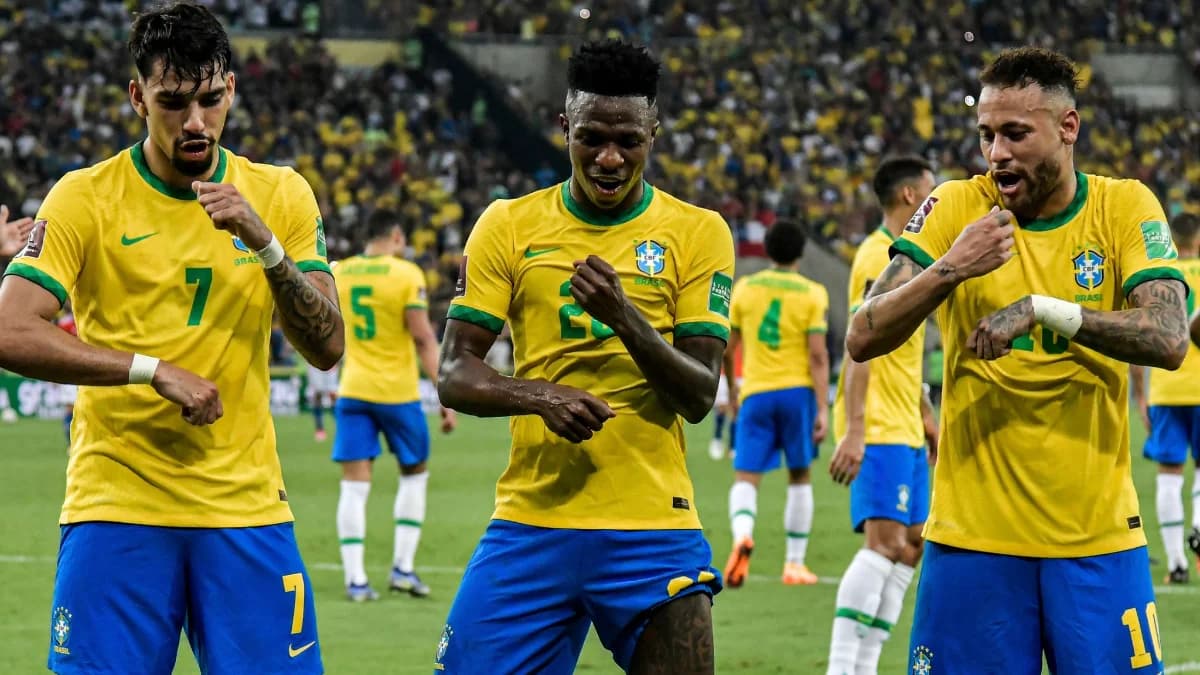
Brazil remain overwhelming favourites. Carlo Ancelotti's squad contains proven attacking quality led by Vinícius Júnior, while Neymar has returned to the tournament after injury. At the same time, Japan can point to their most recent meeting with Brazil, a friendly victory last October, as evidence that the gap is not insurmountable. Supporters of Brazil argue that World Cup knockout football is entirely different from friendlies, and history largely supports that position. Japan's only previous four appearances in the World Cup knockout rounds all ended in elimination.
“Japan have the chance to rewrite the history books by winning a World Cup knockout match for the first time.”
Morocco's rise is no longer viewed as a surprise
Morocco face a similar but distinct argument. Their remarkable 2022 semi-final run was initially labelled an upset, yet subsequent performances suggest it may have represented the beginning of sustained progress rather than a one-off achievement.
The Atlas Lions reached the knockout stage after an unbeaten group campaign that included a draw with Brazil, victory over Scotland and a comeback win against Haiti. Those performances reinforced the belief that Morocco can consistently compete with leading nations. Critics, however, point out that knockout football against established European opposition presents a different challenge altogether, particularly against a Netherlands side unbeaten across its recent matches entering the round of 32.
Morocco's development has also been supported by structural investment. Their football federation has expanded youth development programmes centred around the Mohammed VI Football Academy, while the squad continues to benefit from players developed both domestically and across the Moroccan diaspora in Europe. That blend was already evident during the 2022 World Cup and remains central to the team's identity.
History still favours football's traditional giants
Despite the optimism surrounding Japan and Morocco, history offers a sobering counterpoint.
Since Argentina's triumph in 1978, only France and Spain have joined the list of World Cup winners. Every champion has still come from either Europe or South America. That record underlines how difficult it remains for emerging football nations to complete the final step, regardless of improvements in coaching, infrastructure or player development.
Brazil's pedigree is obvious. The five-time champions have lost only once in 14 meetings with Japan and possess the tournament experience few nations can match. Likewise, the Netherlands have reached three World Cup finals and consistently progress beyond the group stage. Experience, squad depth and familiarity with knockout football remain advantages that statistics alone cannot dismiss.
The comparison with Morocco's 2022 campaign is particularly relevant. That tournament demonstrated an African nation could reach the semi-finals for the first time. The next challenge is proving that achievement was the foundation for sustained contention rather than an isolated breakthrough.
The next chapter in football's changing landscape
The immediate test comes in the round of 32. Japan meet Brazil in Houston, while Morocco take on the Netherlands in Monterrey. Neither fixture guarantees a shift in football's balance of power, but both provide another opportunity to challenge assumptions about who can realistically compete for the World Cup.
The broader debate will not be settled by one tournament. Even so, successive deep runs by teams such as Morocco, alongside Japan's continued progress, would strengthen the argument that the gap between the traditional elite and emerging contenders continues to narrow. For now, the next confirmed step is simple: two knockout matches that will test whether recent progress can translate into another piece of World Cup history.