
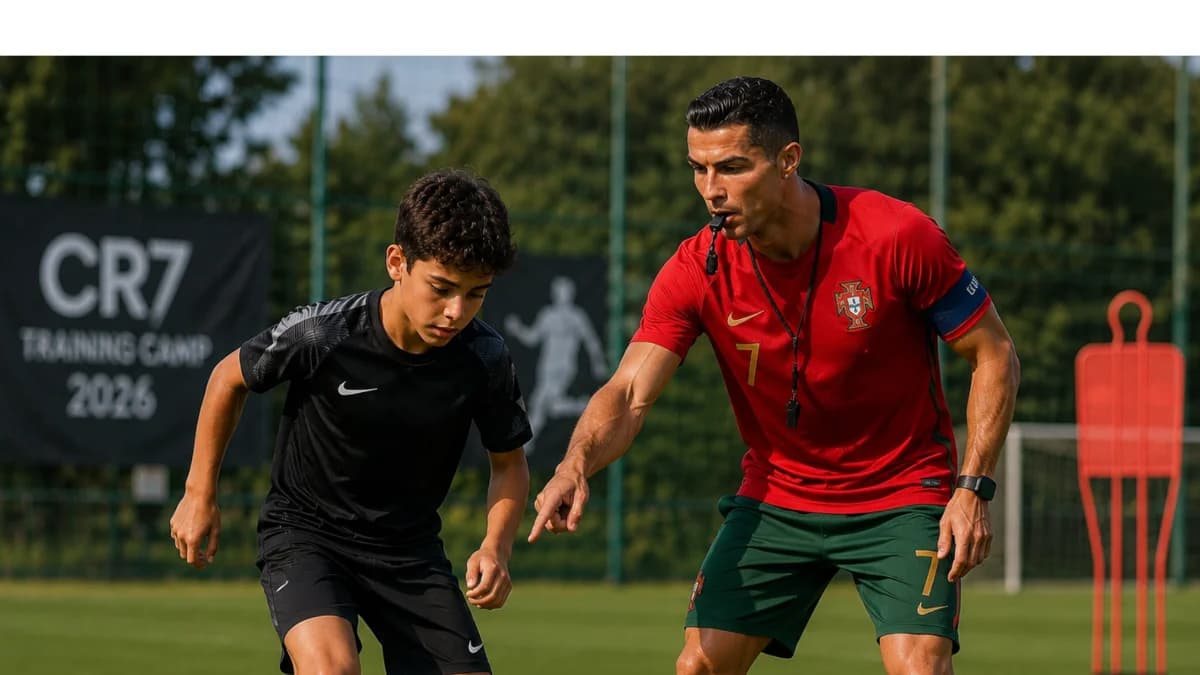
How to Improve Football Skills: Training Tips for Beginners
Learning how to improve football skills is one of the biggest challenges every new player faces. Many beginners believe playing more matches is enough to get better, but real improvement comes from structured practice, repetition and understanding the fundamentals. The world's best players—from Lionel Messi to Jude Bellingham—didn't develop their technique overnight. They built it through consistent training focused on ball control, passing, movement and decision-making.
Whether you're preparing for school football, joining your first club or simply playing with friends, mastering the basics will help you progress much faster. You don't need expensive equipment or elite coaching to improve. A football, a small training space and a commitment to regular practice are enough to build strong technical skills. This guide explains the essential drills, common mistakes and weekly training habits recommended by coaching resources from FIFA, UEFA and national football associations.
How to Improve Football Skills with Better Ball Control
If there's one area every beginner should prioritise, it's ball control. Every pass, shot and dribble starts with a good first touch. Professional coaches often say the first touch determines what happens next.
A simple way to improve is by spending 15 to 20 minutes every day with the ball. Start by using both feet to tap the ball from side to side while keeping it close. Then practise inside touches, outside touches and sole rolls. As confidence grows, increase the speed while maintaining control.
Wall passing is another highly recommended exercise. Stand around five metres from a wall and repeatedly pass the ball using the inside of your foot before controlling the return. Alternate between your right and left foot rather than relying on your stronger side. This develops balance and improves your ability to receive passes under pressure.
Example Drill
- - 50 inside-foot touches
- - 50 outside-foot touches
- 50 sole rolls - - 100 wall passes
- - 5 minutes of juggling practice
Just 20 minutes each day can make a noticeable difference within a few weeks.
How to Improve Football Skills Through Passing and Shooting
Passing is the foundation of every successful football team. Even the most skilful dribbler becomes ineffective if they can't keep possession.
Begin with short passes over five to ten metres, focusing on accuracy rather than power. Plant your standing foot beside the ball and strike through the centre using the inside of your foot. Keep your ankle locked and follow through naturally.
Once short passing feels comfortable, introduce longer passes and one-touch combinations. If you don't have a teammate, use cones or markers as passing targets.
Shooting should follow a similar progression. Rather than blasting every effort, aim for different corners of the goal. Coaches frequently encourage players to develop accuracy before power because placement wins more one-on-one situations than sheer force.
A useful beginner routine includes:
- - Ten shots with the right foot
- - Ten shots with the left foot
- - Five first-time finishes
- - Five shots after dribbling
- - Five low-driven finishes into each corner
This routine develops confidence in a variety of game situations rather than relying on one finishing technique.
Quick Reference: Beginner Football Training
How to Improve Football Skills with Dribbling, Fitness and Match Awareness
Dribbling isn't about performing flashy tricks. At beginner level, it's about keeping possession while moving confidently.
Set up six to eight cones in a straight line with around one metre between each cone. Dribble through using both feet, keeping the ball within one step. Start slowly before increasing speed.
Another excellent exercise is the "figure-eight drill". Place two cones three metres apart and dribble continuously around them in a figure-eight pattern. This develops turning ability, balance and close control.
Fitness is equally important. Even technically gifted players struggle if they tire after twenty minutes.
A balanced weekly routine should include:
- - Sprint intervals
- - Shuttle runs
- - Ladder drills
- - Agility cone exercises
- - Bodyweight strength work
- - Core training
Football also rewards intelligent movement. Watch professional matches and study how players move without the ball. Midfielders rarely stand still. Full-backs constantly scan for passing options. Strikers adjust their runs before receiving possession.
Developing game awareness is often the biggest difference between average and improving players.
Common Beginner Mistakes That Slow Football Improvement
One of the most common misconceptions is believing skills improve only through matches. Games are important, but training creates the habits that appear during competition.
Another mistake is relying exclusively on one foot. Many beginners avoid using their weaker foot because it feels uncomfortable. Unfortunately, this slows long-term development. Even spending five extra minutes each session using the weaker foot can dramatically improve overall ability.
Trying advanced tricks too early is another trap. Social media often showcases spectacular skills, but elite players first mastered passing, receiving, movement and positioning before attempting complex dribbles.
Skipping warm-ups also increases injury risk. Before every session, complete five to ten minutes of light jogging, dynamic stretching and mobility work. Afterwards, cool down with gentle stretching to aid recovery.
Perhaps the biggest mistake is inconsistency. Training intensely once a week produces fewer results than practising four shorter sessions across the week.
How to Improve Football Skills Faster with a Weekly Training Plan
A structured routine keeps development balanced across every area of the game.
Monday
Ball control, juggling and wall passing (45 minutes)
Tuesday
Dribbling drills, agility ladder and sprint work (60 minutes)
Wednesday
Passing accuracy and shooting practice (60 minutes)
Thursday
Light recovery, stretching and match analysis (30 minutes)
Friday
Combination drills, first touch and finishing (60 minutes)
Saturday
Small-sided game or full match
Sunday
Recovery walk, flexibility exercises and review personal progress
Recording each session in a notebook can help identify strengths and weaknesses over time.
Frequently Asked Questions About How to Improve Football Skills
Final Thoughts on How to Improve Football Skills
Improving at football doesn't depend on expensive equipment or natural talent alone. Consistent practice, attention to technique and patience are far more important. Focus first on ball control, passing, shooting and movement before progressing to advanced skills. Training with both feet, maintaining fitness and learning from competitive matches will steadily build confidence.
As your abilities grow, combining these fundamentals with regular match experience will make every aspect of your game stronger. For more football guides, tactical explainers and the latest match coverage, explore LiveScoreDesk's Football section and Live Scores page.